
How to Find Branded Clothes Online Cheap Without Sacrificing Quality
Discover how Australian businesses and schools can source branded clothes online cheap — with expert tips on products, printing, MOQs and budgets.

Written by
Dane Holloway
Custom Apparel
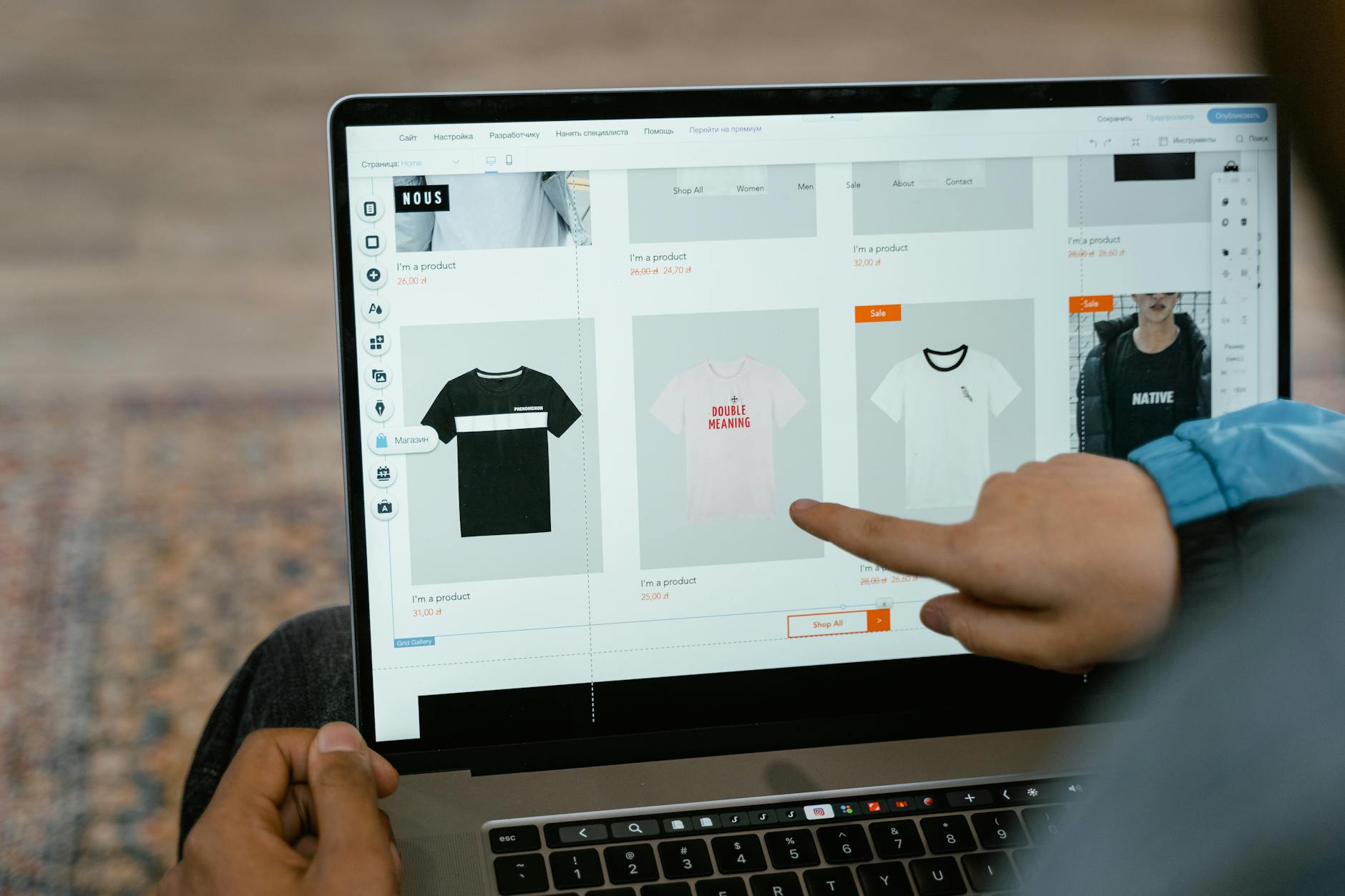
Finding affordable branded clothing for your business, school, or event doesn’t have to feel like a compromise. Many organisations across Australia — from Sydney startups to Adelaide sporting clubs — assume that buying branded clothes online cheap means settling for flimsy fabrics, washed-out prints, or unreliable suppliers. The reality is quite different. With the right knowledge about decoration methods, minimum order quantities, product selection, and timing, you can source high-quality custom apparel at genuinely competitive prices. This guide walks you through everything you need to know to make smart, cost-effective decisions when ordering branded clothing online in 2026.
Why Branded Clothing Remains One of the Best Value Promotional Tools
Before diving into the how-to, it’s worth understanding why branded apparel consistently delivers strong return on investment. Custom clothing is worn repeatedly, which means your logo or message gets seen again and again — in offices, on public transport, at trade shows, and in the community. Unlike a flyer that gets tossed or a digital ad that disappears after a few seconds, a well-made branded polo shirt keeps working for you for years.
If you’re curious about how promotional products perform more broadly, the data is compelling. Our overview of promotional products ROI data and what the numbers mean for Australian organisations shows just how cost-effective branded merchandise can be compared to traditional advertising channels.
Custom apparel also scales beautifully. Whether you’re ordering 25 t-shirts for a Brisbane primary school’s sports carnival or 500 hi-vis vests for a Perth construction crew, the per-unit cost drops significantly as quantity increases — making branded clothes online cheap an entirely achievable goal with some forward planning.
What Actually Drives the Cost of Branded Clothing Online
Understanding what influences the price of custom apparel is the first step to getting value for money. There are several key cost levers to be aware of.
Garment Base Cost
The garment itself is the foundation of your budget. A basic cotton t-shirt will always be more affordable than a performance polo or a zip-up hoodie. That said, going too cheap on the base garment is a false economy — thin, low-GSM (grams per square metre) fabrics tend to look poor after washing and reflect badly on your brand. Aim for at least 180–200gsm for t-shirts if you want them to look presentable and last through regular use.
Decoration Method
How your logo is applied to the garment is often where costs vary the most. Each decoration method has its own setup fees and per-unit pricing:
- Screen printing is the most cost-effective option for large runs (typically 50+ units) with simple, flat-colour designs. Setup fees apply per colour, so keeping your artwork to 1–2 colours keeps costs down.
- Embroidery suits corporate polos and workwear beautifully and adds a premium feel, but it’s less suitable for complex, full-colour artwork. Digitising fees apply once, and the per-unit cost is relatively stable regardless of quantity.
- Direct-to-garment (DTG) printing is ideal for small runs with complex, photographic designs, but it costs more per unit at scale.
- Heat transfer and sublimation work well for sportswear and full-coverage designs.
Our quality guide to direct-to-garment printing for promotional products is a great resource if you’re considering this method for smaller orders. And if you’re weighing up multiple methods at once, our print method comparison chart for promotional products gives you a clear side-by-side breakdown.
Order Quantity and MOQs
Minimum order quantities (MOQs) vary by supplier and product type. For screen-printed t-shirts, MOQs are typically 25–50 units. Embroidered caps or polos may have MOQs as low as 12. Ordering above the MOQ threshold — and ideally hitting the next pricing tier — is one of the most reliable ways to reduce your cost per unit.
Setup Fees and Artwork
Most suppliers charge a one-off setup fee for screen printing, embroidery digitising, or creating print files. These fees are amortised across your order, so the more units you order, the less impact they have on your per-unit cost. Providing print-ready artwork in the correct format (typically vector files like .ai or .eps) can also prevent additional art charges.
Smart Strategies for Sourcing Branded Clothes Online Cheap
Now that you know what drives costs, here are practical strategies Australian organisations can use to stretch their branded apparel budget further.
Choose Versatile, High-Demand Products
Focus your budget on garments that people will actually want to wear. Classic cotton t-shirts, comfortable polos, and lightweight zip hoodies consistently perform well across industries. These high-demand styles are produced in large volumes by manufacturers, which keeps the base garment cost competitive.
If you’re outfitting staff for an outdoor event, also consider caps and beanies — they’re typically lower in cost than full garments and offer strong visibility for your logo. For organisations looking beyond apparel, pairing branded clothing with practical accessories like top-branded tote bags or insulated water bottles can create a cohesive branded set without blowing the budget.
Consolidate Your Order
Splitting apparel orders across multiple suppliers might seem flexible, but it usually results in higher costs per unit and inconsistent branding. Consolidating into a single order — even if it means ordering a few extra units to hit a pricing tier — generally produces the best outcome. It also simplifies the artwork approval process and ensures colour consistency across your range.
Plan Ahead to Avoid Rush Fees
Turnaround times for custom apparel in Australia typically range from 5–15 business days depending on decoration method and stock availability. Rush orders are possible but often attract surcharges that can add 20–40% to your order cost. Planning your branded clothing order at least 3–4 weeks in advance gives you room to review proofs, request samples, and avoid unnecessary rush fees.
This is especially relevant for recurring events. A Melbourne corporate conference happening every March, for example, should ideally place its apparel order in late January or early February.
Request a Digital or Physical Sample
Before committing to a full run, request a digital proof (which most suppliers provide free of charge) and, where the budget allows, a pre-production sample. This is particularly important for embroidered garments where thread colours and stitch density can look quite different in real life compared to a digital mock-up.
Look for Bundled Promotional Packages
Many promotional product suppliers offer bundled deals that combine branded apparel with other merchandise — think t-shirts alongside branded notebooks or promotional drinkware for conference packages. Bundling can yield better overall pricing than ordering items individually.
Branded Clothing for Different Australian Sectors
The same principles apply across industries, but the product choices and decoration methods often differ by sector.
Schools and Education
Schools across Queensland, New South Wales, and Victoria regularly order custom t-shirts and hoodies for sports days, excursions, and school spirit merchandise. For these orders, screen-printed t-shirts in school colours are the most popular and cost-effective choice. Small schools can sometimes work around high MOQs by combining orders across year groups or events. Matching branded apparel with practical items like sustainable lunch containers for school canteens makes for a cohesive, school-wide branding approach.
Corporate and Business
Businesses ordering staff uniforms or branded workwear for conferences tend to favour embroidered polos and zip hoodies — they look polished and professional. For corporate events and trade shows, branded t-shirts or packs that include toiletry bags for travel or hooded towels can make memorable delegate gifts. Don’t overlook the opportunity to align apparel with broader employee recognition programs, such as personalised service awards for milestone anniversaries.
Sporting Clubs and Community Organisations
Clubs across Australia — from Hobart netball associations to Darwin football clubs — often operate on tight budgets. Sublimation printing is worth considering here, as it allows vibrant, full-colour designs on sportswear without per-colour setup fees. The upfront cost is slightly higher, but for complex designs with gradients and multiple colours, it often works out more economical than multi-colour screen printing.
Common Mistakes That Drive Up the Cost of Branded Clothing
Avoiding these pitfalls will help keep your per-unit costs down:
- Ordering too small a quantity — staying just above MOQ but well below the next pricing tier means you’re paying close to the highest per-unit rate.
- Requesting too many colours — every additional colour in a screen-printed design adds to setup costs. Simplified artwork with 1–2 colours will dramatically reduce your outlay.
- Leaving it too late — rush fees are one of the most avoidable costs in branded apparel orders. Start early.
- Ignoring garment sizing data — ordering without considering your team’s size distribution can leave you with excess stock in unpopular sizes.
Conclusion: Key Takeaways for Finding Branded Clothes Online Cheap
Sourcing branded clothes online cheap is absolutely achievable for Australian businesses, schools, and organisations — as long as you approach the process with the right knowledge and a bit of planning.
Here are the most important things to remember:
- Choose the right decoration method for your order size and design — screen printing wins for large runs with simple artwork; DTG and embroidery suit smaller quantities or premium finishes.
- Increase your order quantity to unlock better pricing tiers — even ordering 10–20 extra units can meaningfully reduce your cost per garment.
- Plan ahead by at least 3–4 weeks to avoid rush surcharges and allow time for proof approval.
- Provide print-ready vector artwork to avoid additional art fees and ensure the best possible print quality.
- Bundle apparel with complementary branded products — from branded keep cups and drinkware to public holiday picnic sets for family events — to maximise your overall branding budget.
With the right approach, your next branded apparel order can look fantastic, represent your organisation with pride, and come in well within budget.