
Branded Uniforms for Government Departments in Brisbane: A Complete Ordering Guide
Discover how Brisbane government departments can order branded uniforms efficiently — from decoration methods to MOQs, budgeting, and compliance tips.

Written by
Dane Holloway
Custom Apparel
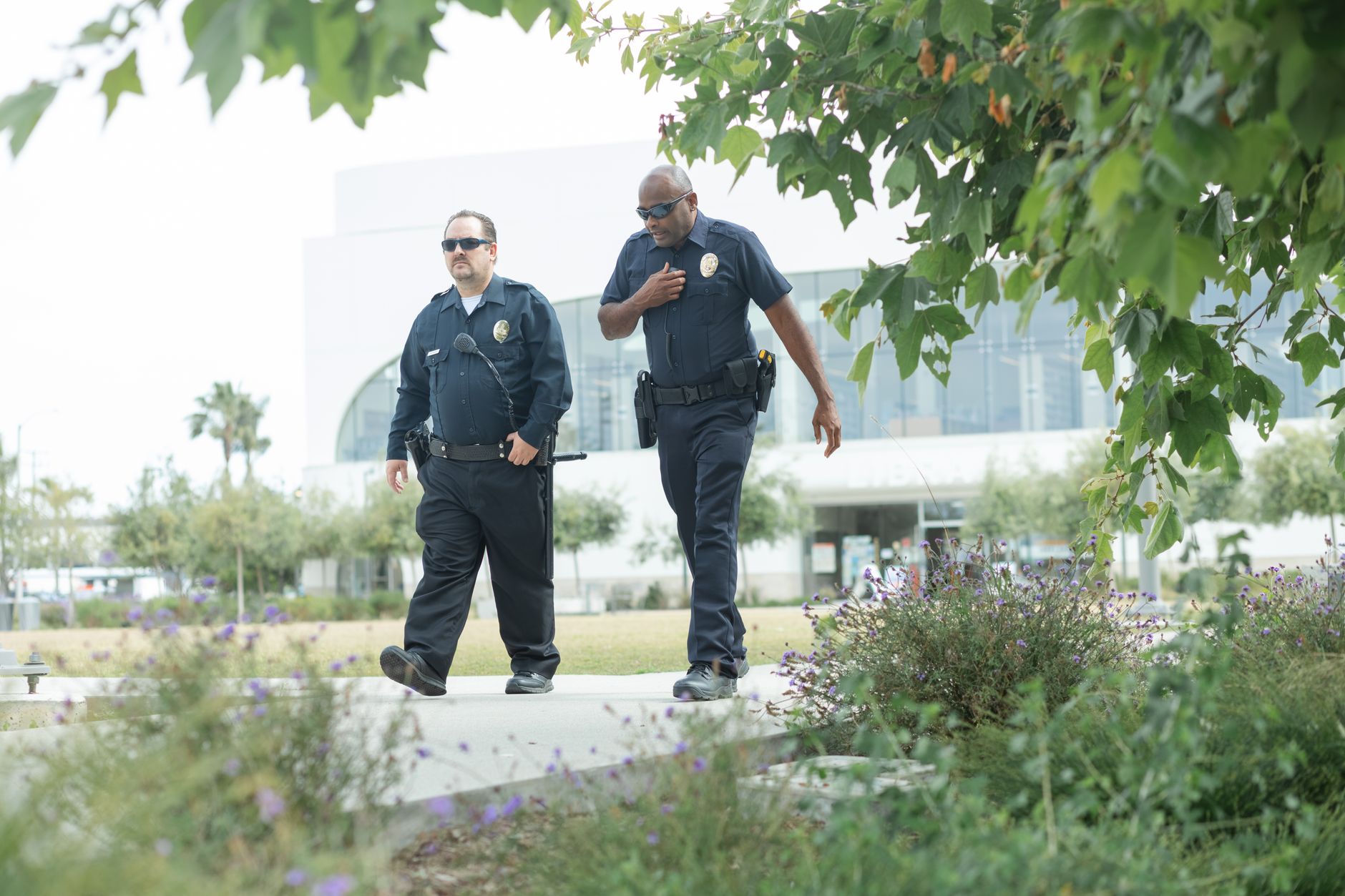
When it comes to projecting professionalism, building public trust, and maintaining consistent team identity across diverse workforces, branded uniforms for government departments in Brisbane represent one of the most important procurement decisions an agency can make. Whether you’re managing a team of council rangers, coordinating front-of-house staff at a government service centre, or kitting out field workers for a state infrastructure project, the right uniform program does far more than simply put people in matching clothes. It signals accountability, cohesion, and pride in public service — values that Brisbane’s government community holds in high regard. This guide walks you through everything you need to know to get your uniform order right from the start.
Why Branded Uniforms Matter for Government Departments
Government employees are often the public face of their agency. A Queensland council customer service officer, a state government field inspector, or a Brisbane City Council maintenance crew member — all of these roles come with an expectation of visible, credible representation. Uniforms help citizens quickly identify who they’re dealing with, which builds confidence in government services.
Beyond public trust, branded uniforms also play a crucial role in workplace culture. When staff across multiple departments wear cohesive, well-designed apparel, it reinforces a sense of shared purpose. This matters particularly in large agencies where teams may be spread across multiple Brisbane locations, from South Bank offices to outer-suburban depots.
There’s also a strong safety and compliance argument for government uniforms. Hi-visibility workwear, for example, is mandatory in many field roles — from road maintenance crews to park rangers. Getting the specification right for these garments isn’t just about branding; it’s about meeting Australian standards for workplace safety. We’ll come back to this shortly.
The Unique Procurement Landscape for Government Buyers
Government procurement in Queensland operates within a structured framework. Buyers are typically required to work within approved supplier panels, follow tendering or quote processes depending on spend thresholds, and document their purchasing decisions carefully. This means uniform programs for government departments often require more planning lead time than equivalent orders from private sector organisations.
If you’re sourcing branded uniforms in Brisbane under Queensland Government procurement guidelines, it’s worth engaging with your supplier early to confirm they can provide the required documentation — including compliance certificates, product specifications, and any necessary WHS (Work Health and Safety) data sheets for hi-vis garments.
Choosing the Right Products for Government Uniforms in Brisbane
The product selection process for government uniform programs is rarely one-size-fits-all. A single agency might need several distinct product categories depending on the roles and environments involved.
Polos and Button-Up Shirts
For front-facing staff in offices, service centres, or community-facing roles, embroidered polo shirts remain the gold standard. They’re professional, comfortable in Brisbane’s subtropical climate, and incredibly durable under regular commercial laundering. Choose moisture-wicking or breathable fabrics for staff who work in mixed indoor/outdoor environments — this is especially relevant during Queensland’s hot, humid summers.
Embroidery is the preferred decoration method for polos and shirts in government settings, as it provides a structured, premium appearance and holds up through hundreds of washes. For an overview of how embroidery compares to other methods, our print method comparison chart for promotional products is an excellent starting point.
Hi-Vis Workwear
Any government department deploying staff in traffic management, road works, park maintenance, or construction-adjacent roles must comply with Australian Standard AS/NZS 4602.1 for high-visibility safety garments. Hi-vis vests, polo shirts, and long-sleeve shirts can all be screen printed or heat transferred with agency logos, department names, and individual identifiers such as employee numbers.
When ordering hi-vis branded uniforms for government departments in Brisbane, confirm with your supplier that the garments maintain their AS/NZS 4602.1 compliance rating after decoration. Some printing methods can affect the retroreflective tape on the garment, so this is a non-negotiable checkpoint.
T-Shirts and Casual Uniforms
For community events, outdoor activations, and less formal government roles, custom t-shirts can be a practical and budget-friendly option. Screen printing is typically the most cost-effective decoration method for large-volume t-shirt orders. If your department is working toward sustainability commitments, it’s worth exploring organic cotton custom t-shirts for sustainability events as a way to align your uniform program with broader environmental policy goals.
Caps and Accessories
Branded caps, beanies, and lanyards round out many government uniform programs. These items are especially useful for staff working outdoors across Queensland’s sun-exposed environments. Lanyards carrying ID cards are also a security staple in most government workplaces.
Understanding Decoration Methods for Government Apparel
Selecting the right decoration method is just as important as selecting the right garment. Each method has different strengths depending on garment type, design complexity, quantity, and durability requirements.
Embroidery is ideal for polos, shirts, and caps where a premium, long-lasting finish is required. Setup costs involve a digitising fee for converting your logo into an embroidery file, but this is a one-off cost that applies across future orders.
Screen printing is the most economical option for high-volume t-shirt and casual uniform orders. It works best with simple, flat designs — typically up to six colours per print location. A Brisbane council ordering 500 community event t-shirts for their parks and recreation team would find screen printing delivers excellent value at this volume.
Heat transfer offers flexibility for shorter runs or designs with photographic detail. While not always as durable as embroidery or screen printing under heavy commercial use, modern heat transfer technology has improved significantly. You can learn more about how this method applies to other products in our article on heat transfer on custom pens in Australia.
Sublimation is excellent for all-over or multi-colour designs and is especially popular for high-performance sports or outdoor workwear. It’s worth noting that sublimation only works on 100% polyester or polyester-blend fabrics, so fabric selection must align with your decoration choice.
For a deeper dive into how all of these methods compare side by side, revisit our print method comparison chart for promotional products.
Budgeting and MOQs for Government Uniform Programs
Government buyers are often managing significant unit volumes across multiple cost centres, which creates both opportunity and complexity when budgeting for uniform programs.
Typical Minimum Order Quantities
Most suppliers require a minimum order quantity (MOQ) for embroidered polos starting at 12–24 units. Screen-printed t-shirts often have MOQs of 25–50 units, depending on the number of print colours and locations. Hi-vis workwear MOQs typically start at 12–20 pieces.
For larger agencies placing orders of 200+ units, bulk pricing tiers kick in that can dramatically reduce per-unit cost. A Queensland state government department ordering 350 embroidered field shirts across five different colours may find the cost per unit drops by 30–40% compared to a minimum-quantity order.
Setup Fees and Art Preparation
Government departments often have strict brand guidelines and pre-approved logo files, which can simplify the artwork process. However, it’s still important to budget for any setup fees applicable to your chosen decoration method — embroidery digitising, screen printing film fees, or artwork reformatting. For vector-ready logos (AI, EPS, or PDF files), many of these fees are minimal or waived.
Planning for Future Reorders
A smart approach for ongoing uniform programs is to establish a reorder arrangement with your supplier. This means your digitised embroidery files, screen print films, and approved proof records are stored for future use — avoiding repeat setup costs each year. This is particularly useful for agencies with rolling staff intake throughout the year.
Turnaround Times and Planning Your Order
Brisbane government departments should factor in realistic lead times when planning uniform orders. Standard production and delivery typically takes two to three weeks from artwork approval for screen-printed and embroidered garments. More complex programs — such as multi-product uniform kits with several decoration methods — can take four to six weeks.
For departments with an end-of-financial-year or budget-cycle deadline, placing orders in May or early June is strongly recommended to avoid the mid-year rush. Similarly, orders tied to new staff inductions, major public events, or departmental launches should be planned a minimum of six weeks in advance.
If your order is genuinely time-critical, ask your supplier about expedited production options — though these typically carry a surcharge and may limit product availability.
Complementing Your Uniform Program with Other Branded Items
A comprehensive government branding program rarely stops at uniforms. Many Brisbane agencies also source branded merchandise to support community events, staff recognition, and public education campaigns. Pairing your uniform rollout with complementary branded items creates a more cohesive presence across all touchpoints.
For staff recognition and tenure milestones, consider exploring personalised service awards for 5, 10, 15, and 20-year milestones — a meaningful way to acknowledge public servants’ long-term contributions. For community-facing events and public expos, branded drinkware and reusable bags are consistently well-received. Our guide to top 10 branded tote bags and information on insulated water bottles can help you round out your event collateral alongside your uniform program.
You might also consider branded stationery like promotional spiral notebooks for staff induction kits, or sustainable branded lunch containers for workplace wellness initiatives that align with Queensland Government sustainability commitments.
For departments tracking the return on investment of their branded merchandise and uniform spend, our resource on how to calculate promotional product ROI for marketing campaigns provides a practical framework worth bookmarking.
Conclusion: Key Takeaways for Government Uniform Procurement in Brisbane
Ordering branded uniforms for government departments in Brisbane requires careful planning, clear product specifications, and an understanding of the procurement and compliance requirements that apply to public sector buyers. Done well, a government uniform program reinforces public trust, supports staff safety, and reflects the professionalism of Queensland’s public service.
Here are the key takeaways to carry into your next uniform project:
- Start planning early — allow a minimum of six weeks for complex programs, and up to three months for large multi-department rollouts to account for procurement approval processes
- Match decoration methods to garment type and use case — embroidery for professional office wear, screen printing for high-volume casual items, and always verify hi-vis compliance post-decoration
- Leverage bulk pricing — government orders often qualify for significant volume discounts; consolidating across teams or cost centres can unlock better per-unit pricing
- Store your artwork files — maintaining digitised embroidery files and print-ready artwork ensures seamless reorders without repeat setup fees
- Consider the full brand ecosystem — uniforms work best as part of a broader, cohesive merchandise strategy that includes recognising staff, engaging communities, and supporting sustainability goals